
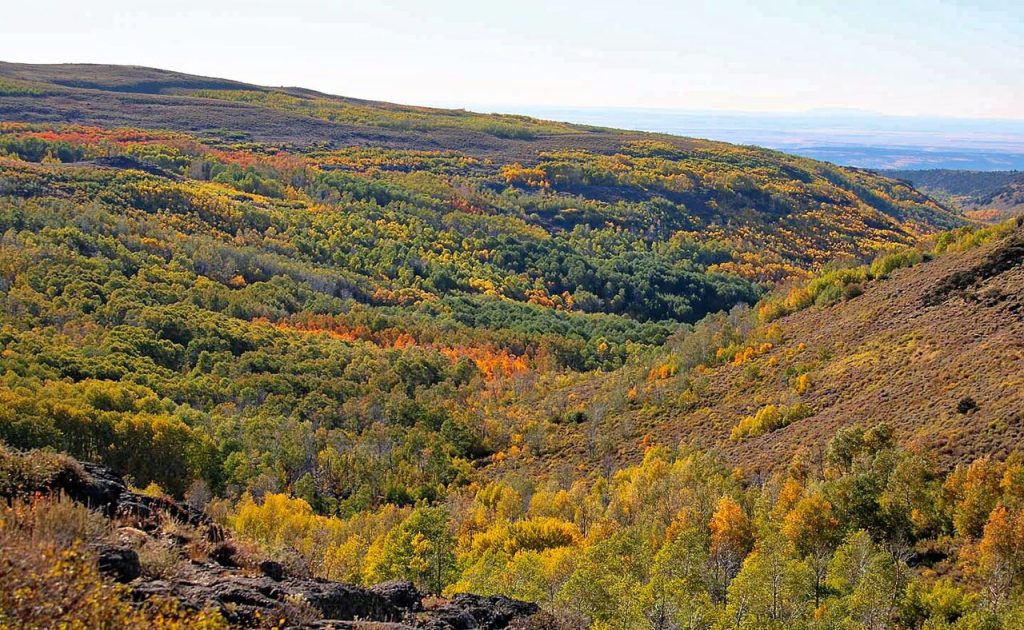
What to Look For in a Fall Foliage Destination
Key points
- Daylight and temperature control when leaves turn, so color starts earlier in the north and at higher elevations.
- Most of the United States peaks in October, while some northern areas peak in September and southern states wait until mid-November.
- The best color comes from warm sunny days and cool, not freezing, nights; hard frosts and strong winds can end the show quickly.
- State foliage reports and prediction maps help you check conditions right before you leave, not just when you book.
- Build in flexibility with refundable rates, since weather can shift peak color by several days in either direction.
A leaf-peeping trip has a short shelf life. At any single spot, the best color often lasts only a couple of weeks, and booking the wrong week means brown ridgelines or bare branches instead of the photos on the tourism site. The fix is to choose a destination that matches your calendar, not one that looks good in October if you can only travel in November.
Why Peak Timing Varies So Much
Two primary factors control when leaves change: daylight and temperature. As nights grow longer, chlorophyll production in leaves slows down and eventually stops. The green fades, and the yellow, orange and red pigments that were there all along become visible. Color change is a chemical process inside the tree, which is why leaves begin turning before the first frost, not because of it.
The weather during the season shapes how bright the display gets. Warm, sunny days and cool, but not freezing, nights favor the most brilliant color. A few hard frosts can cause leaves to wither and fall without changing color at all, and stretches of warm, cloudy, rainy weather tend to produce less coloration. Summer conditions matter too: a wet, cool summer can push color out earlier than a hot, dry one, while severe drought can dim the brightness and even kill leaves early. And once the leaves are ready, a day or two of strong winds can blow them off the trees quickly.
Elevation and Latitude: Reading the Leaf Calendar
The further north a tree is, and the higher in elevation, the earlier it turns. That single rule explains most of the calendar:
| Area | Typical peak |
|---|---|
| Western Great Lakes, around Duluth, MN | Mid-September to early October |
| Colorado high-country aspens | Late September to early October |
| Northern Vermont, New Hampshire, northwest Maine | Early October |
| Much of New York, Massachusetts and Pennsylvania | Later in October |
| Most of the United States overall | October |
| Southernmost states | Mid-November |
October is the wide window. More than 80% of travelers take their fall foliage trips that month, though some less-populated regions peak in September. Elevation also gives you a ladder within one destination. In Colorado’s San Juan Mountains, color starts near Silverton in mid-September and finishes in early to mid-October in lower towns such as Durango, Pagosa Springs and Dolores. Aspens, which put on fall’s brightest show and make up 20% of Colorado’s forests, reach their best color around late September and early October, trailing most of the state’s other trees by a few weeks. On that schedule, driving uphill as the weeks pass keeps you in color longer.
Deciding What Kind of Foliage Trip You Want
Before you fixate on a place, decide what the days should look like. The main patterns are a scenic drive through forest country, a hiking base with trails out the door, or a town you can wander between short outings. National forests cover enormous ground; the Forest Service’s Northern Region alone spans more than 25 million acres across 12 national forests and four national grasslands, with golden western larches along Montana byways and aspen valleys near Missoula. If trails and park logistics are the draw, our guide to planning a first national park trip covers how to structure that kind of visit.
If you picture a walkable home base instead, compare the setting itself. Our look at a mountain town versus a lake town getaway breaks down how the two feel different in practice, and foliage season sharpens the differences: mountain passes change earlier, while lakeshores often hold color a bit longer. For help narrowing the shortlist in the first place, our guide to picking a destination when you could go anywhere offers a workable filter.
Whatever you choose, plan for terrain basics. The Forest Service advises checking the weather, telling someone your destination and expected return, staying on marked trails since fallen leaves can cover the safe route, and carrying a map because cell service may be limited.
How to Use Foliage Reports and Prediction Maps
Two tools do different jobs. Prediction maps estimate when color will peak across the Lower 48 so you can pick a destination and week months out. The Fall Foliage Prediction Map is one widely used option for nationwide estimates, and other map tools let you drag a date slider, search a city or park, view daily color-stage estimates and toggle local reports on and off.
Foliage reports are the second job: they describe actual conditions, not forecasts. New York’s state tourism program gathers reports from more than 100 volunteer field observers and issues them every Wednesday, defining peak as the best overall appearance the foliage will have, factoring in color transition, brilliance and leaf droppage. State parks publish similar updates. A Virginia State Parks report from early November, for example, showed western parks already past peak while coastal parks were still approaching it, a clean illustration of how color moves within one state.
Travel tip
Check a local foliage report a few days before you leave and again the morning you head out. Weather can shift peak timing by several days, and wind can strip leaves in a day or two.
Crowds, Weather and Other Trade-Offs to Weigh
Popularity has a cost. New England draws about ten million fall foliage travelers each year, which means peak weekends bring heavy traffic on the famous routes and stiff competition for rooms. Options that trade a little prestige for breathing room include traveling midweek, picking a neighboring region with similar trees, or shifting a week earlier or later to catch the same color gradient at a quieter stop.
Weather is the trade-off you cannot book around. Peak dates in some areas, like Colorado’s San Juans, rarely wobble by more than a few days, but in much of the country the timing varies year to year. Drought mutes the color, overcast and rainy stretches dull it, and hard frosts or gusty fronts can end a season abruptly. Build a plan B: a second driving route, a lower-elevation town nearby, or an indoor activity for a gray day.
Booking Timing and Refund Flexibility
Lock in the week first, then get picky about terms. Because peak color can move by several days, favor lodging with flexible cancellation over the cheapest prepaid rate, and read the fine print on any package before you pay. Flights follow their own calendar; our timeline on when to book flights to spend less explains how fares typically move as departure approaches. Driving trips buy the most flexibility, since you can reroute toward better color on short notice.
Common Mistakes When Picking a Foliage Destination
- Matching the place to the postcard, not the calendar. In New York State, peak color reaches New York City last, in mid-November, long after the Adirondacks have turned. A famous name is not a guarantee of color in your week.
- Waiting for frost. Leaves begin to change before any frost arrives, so an early cold snap is not what you are waiting for.
- Ignoring elevation inside one destination. A park can be pre-peak at the bottom and past peak at the top in the same week.
- Assuming peak means peak everywhere. Reports define peak by overall appearance, including how many leaves have already dropped.
- Skipping the backup plan. No map, no offline directions and no alternate route leave you stuck if a storm or a closed road changes things.
Pick two or three destinations that fit the week you can travel, then check each area’s latest foliage report before you put money down.
Questions travelers ask
When does fall foliage peak in the United States?
For most of the country, peak color arrives in October. Northern states and higher elevations often peak in late September, while the southernmost states can hold off until mid-November.
What weather produces the brightest fall colors?
Warm, sunny days followed by cool, but not freezing, nights favor the most brilliant displays. A few hard frosts can make leaves wither and drop before they change color, and cloudy, rainy stretches tend to mute the show.
Do I have to hike to see good fall color?
No. Many national forests and state parks advertise scenic drives and overlooks, and some destinations, such as larch country in Montana and Idaho, are known for their byway views.
How far in advance should I check foliage conditions?
Use prediction maps when you are choosing a destination and a week, then check a local foliage report a few days before departure and again just before you drive out, since weather can shift the timing.